By Naomi Bromberg Bar-Yam, PhD
The Pump Bill has reached a critical stage, thanks to the support of Massachusetts advocates. Now we are asking our friends and colleagues in other states to help us get it over the finish line.
Senate and House versions of the bill are both before Ways and Means Committees:
We are here because of parents and professionals who care about preemies and their families. Over the past several years, advocates, clinicians, and families across the Commonwealth of Massachusetts and beyond have written letters, shared testimony, and made calls to support this bill. That sustained advocacy has moved this legislation forward step by step. Thank you all for helping bring it to this critical stage.
Now we need your help across the country to get it over the finish line.
What the Bill Does
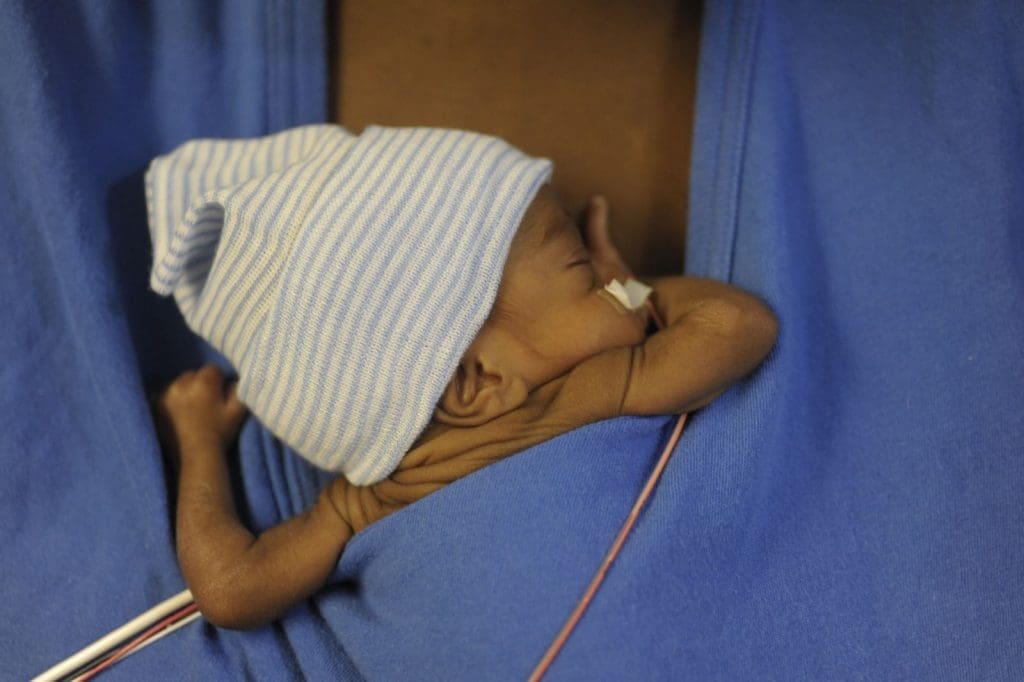
The Massachusetts Pump Bill ensures that families of high-risk infants, including babies in NICUs, have insurance coverage for hospital-grade, multi-user double electric breast pumps.
These pumps are essential medical equipment when a baby cannot nurse directly; they are critical to establishing and maintaining milk supply during a breastfeeding dyad’s most vulnerable early days.
Why This Moment Matters
- Both bills have now cleared committee review and are before their respective Ways and Means, the last stop before they go to the full legislature for debate and vote.
- Each Ways and Means Committee is deliberating over 1,000 bills. Our job is to ensure that they consider and vote out the pump bill.
- The bills are aligned and ready to move forward.
- A CHIA report found the bill to be valuable and financially worthwhile.
Last session, Massachusetts made major progress with a strong maternal-child health law. This bill is the next step to build on that progress.
Now we need Ways and Means to report the bills favorably to the floor for a vote this session.
Why Voices From Outside Massachusetts Matter
You do not need to live in Massachusetts to support this effort.
Massachusetts has long been a leader in maternal and child health policy. Hearing from people beyond Massachusetts demonstrates the broader significance of this legislation and the growing recognition that families of high-risk infants need access to double electric breast pumps and skilled lactation support. It reinforces that this bill addresses an important national issue and may serve as a model for other states.
Wherever you live, your voice can help move this bill forward.
What You Can Do Now: Email Ways and Means
1. Contact Massachusetts House Ways and Means.
Ask them to report H.4345 favorably to the House floor.
House Ways and Means template with email addresses
2. Contact Massachusetts Senate Ways and Means.
Ask them to report S.682 favorably to the Senate floor.
Senate Ways and Means template with email addresses
If you live or work in Massachusetts, please use the email templates in our prior post.
Tips
- Keep messages short; volume matters.
- Fill in your information in the bolded highlighted sections.
- Personal or professional experience adds impact.
- Phone calls are especially effective at this stage.
- Please cc our Advocacy Committee so we can track outreach and keep everyone updated.
- Share this call to action with your colleagues, clients, and friends.
Families of medically fragile babies have already waited through multiple legislative sessions. With your continued support, we can finish the work we started. This is the moment where advocacy can make the difference.
Like any marathon, the final mile is where our focus and collective effort matter most. Let’s cross the finish line—together.
Naomi Bromberg Bar-Yam, PhD, has been working in maternal and child health for over 35 years as an educator, researcher, advocate, and writer. In addition to serving on the board of Massachusetts Breastfeeding Coalition, she is past president of the Human Milk Banking Association of North America (HMBANA) and is the founding director emerita of Mothers’ Milk Bank Northeast, which provides safe donor milk to hospitals and families throughout the northeastern US. Learn more about her on her LactSpeak profile.

Comments are closed